Staff augmentation, dedicated team or AI engineering team: choosing the right model
The difference is less about technology and more about who owns priorities, delivery and continuity. Here is how to match the model to your situation.

Key takeaways
- Staff augmentation adds skills to your team; you keep ownership of priorities and delivery
- A dedicated team owns a product area end to end, with its own lead and process
- AI engineering teams combine AI, backend, data and QA skills around one business outcome
- Many companies combine models as products and teams mature
When a roadmap outgrows the team, companies look for outside engineering capacity. The options sound similar, but they differ in one important way: who owns priorities, delivery and continuity. Choosing the right model saves months of friction.
Staff augmentation
You add engineers with specific skills to your existing team. They join your stand-ups, use your tools and follow your priorities. You keep full control, and full responsibility for management and delivery.
Choose it when you have strong engineering leadership and need extra hands or a specific skill, such as a Flutter developer or a DevOps engineer, for a period. See staff augmentation.
Dedicated team
A team works only on your product, usually with its own lead, and takes responsibility for a product area or a roadmap. You set direction and priorities; the team owns how the work gets done and delivered.
Choose it when you need a product built or evolved continuously but do not want to build and manage the whole team yourself. See dedicated teams.
AI engineering team
A small, multidisciplinary team, combining AI, backend, data and QA engineers, focused on taking AI features and agents into production around one business outcome.
Choose it when you want AI working in your product or operations and need more than a single specialist. See AI engineering teams.
How to decide
- Who will manage the work day to day? If you will, staff augmentation fits. If you want the team to, choose a dedicated team.
- How long is the need? Short, specific gaps suit augmentation; ongoing roadmaps suit a dedicated team.
- Is the goal an AI outcome? Then plan for an AI engineering team with evaluation and production skills, not just model expertise.
- What does continuity mean to you? Ask how knowledge is documented and how team changes are handled.
Combining models
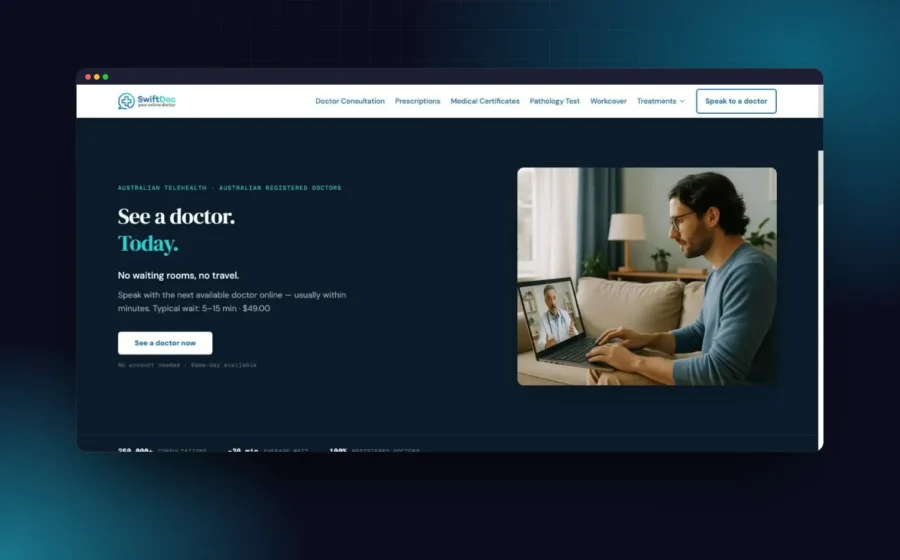
Many companies start with one model and move to another as products mature: a dedicated team to launch, augmentation to add a skill later, an AI team for a specific initiative. The right partner makes those transitions without losing knowledge. Products such as SwiftDoc and Heal@Home show what long-term engineering partnerships look like in practice.
Not sure which model fits? Tell us about your roadmap and we will recommend one honestly.
Put this guide into practice
Frequently asked questions
What is staff augmentation?
Adding external engineers to your own team. They follow your process and priorities, and you manage the work.
What is a dedicated development team?
A team that works only on your product, usually with its own lead, taking responsibility for a product area or roadmap.
When should we choose an AI engineering team?
When you want to deliver AI features or agents into production and need AI, backend, data and QA engineers working together.
How quickly can a team start?
Usually within a few weeks, after a short discovery to match skills to your stack and roadmap.