White-label or custom build? How to choose a launch path for your platform
The real trade-off is not speed versus control. It is where your first budget goes, and how much of the platform needs to be different from day one.

Key takeaways
- There are three launch paths: SaaS subscription, custom build and a configurable foundation
- Most operators are best served by starting from a working platform and customising what makes them different
- Ask early about code ownership, local payments, Arabic and data residency
- The team that ships your first release should be able to keep shipping
Founders launching a delivery, mobility or payments business usually frame the decision as a choice between two extremes: buy something off the shelf and launch quickly, or build from scratch and own everything. In practice there is a third path, and for most operators it is the most sensible one.
Three ways to launch
- SaaS subscription. Fast and cheap to start, but your product looks like everyone else’s, your data lives on someone else’s roadmap, and per-transaction fees grow with you.
- Custom build. Full control, but your first months and much of your budget go into re-creating features every competitor already has: login, catalogue, checkout, tracking and admin.
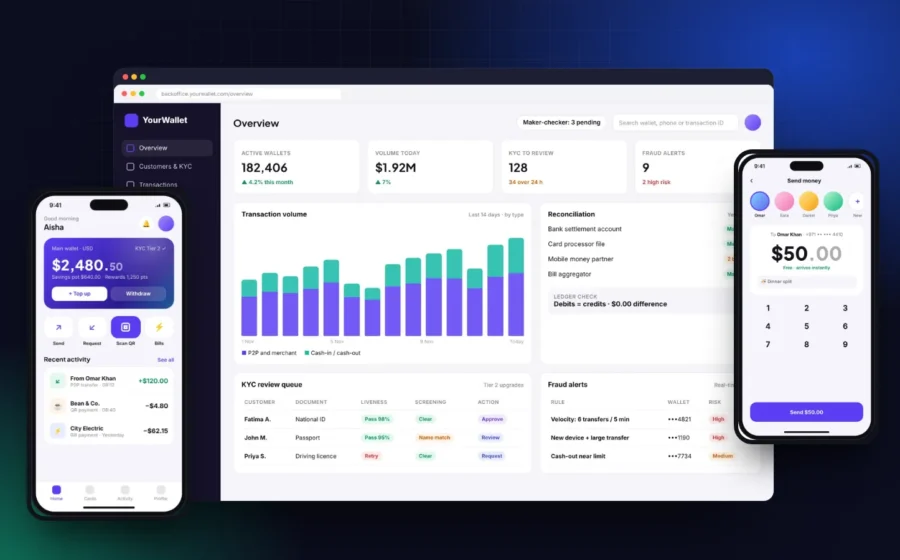
- Configurable foundation. Start from a working platform, with apps, admin and backend, then configure and extend it with the team that built it. You keep the speed of a ready product and the flexibility of custom engineering.
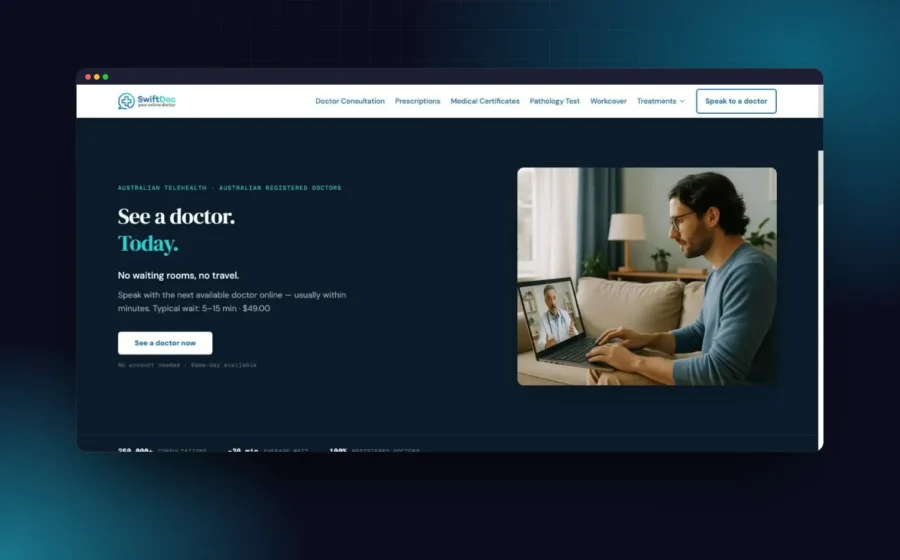
Our ready-built solutions follow the third model: food delivery, ride-hailing, wallets, marketplaces, telehealth and more, branded as yours and extended by our engineers.
Questions that decide it
How different is your operating model?
If your edge is in pricing, market access or service quality, a foundation covers most of what you need. If your edge is a genuinely new workflow, plan for more custom engineering on top.
Who owns the code and the roadmap?
Ask early about licensing and source-code terms. A foundation you cannot extend is just SaaS with extra steps.
What does local mean for you?
Payment gateways such as MADA and SADAD, mobile money, right-to-left Arabic interfaces, tax rules and data residency are often where generic products fall short.
Who supports you after launch?
The team that ships your first release should be able to keep shipping. Continuity matters more than the first demo.
A practical rule
List the features your customers will use in the first three months. Mark each one as “standard” or “ours”. If most are standard, start from a foundation and spend your engineering budget on the ones marked “ours”. That is where your product earns its place in the market.
What this looks like in practice
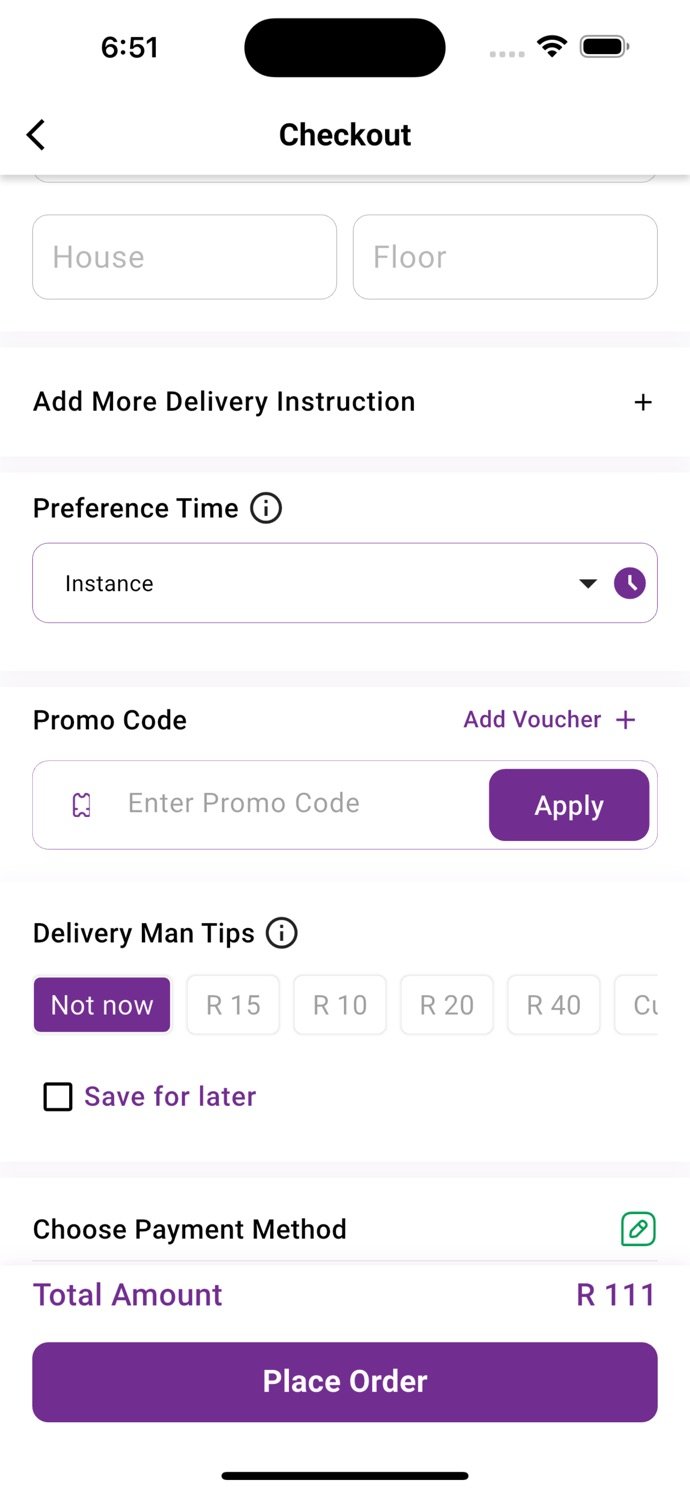
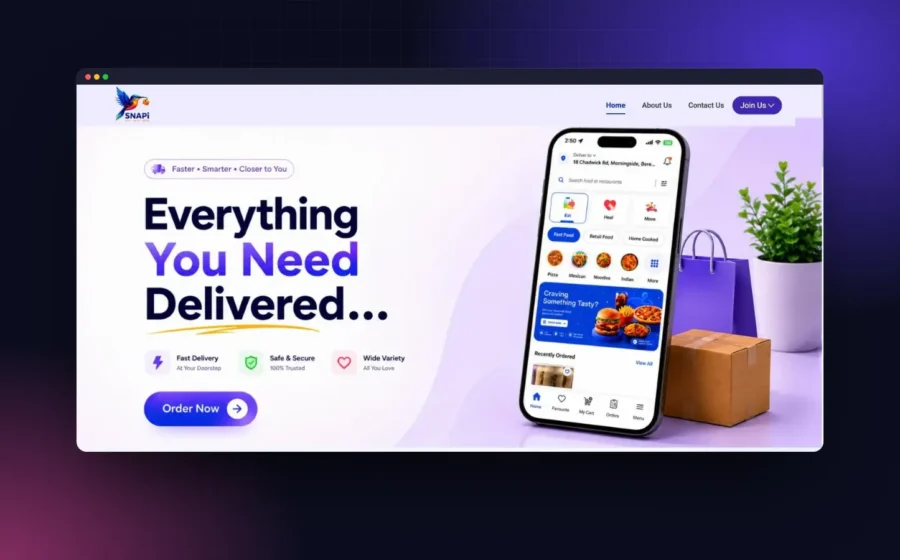
A multi-service delivery business such as Snapi needs customer, vendor and delivery apps that behave like every good delivery app, plus the specific mix of services and partners that make it different. Starting from proven delivery platforms keeps the engineering focused on that mix. When an existing product needs to evolve instead, our modernisation team improves it step by step.
Not sure which path fits? Talk to a solution architect for an honest recommendation.
Put this guide into practice
Frequently asked questions
What is a white-label app?
A working product, typically customer, partner and admin apps, that is branded and configured as your own and launched under your name.
Is white-label cheaper than custom development?
Usually, because you do not pay to rebuild standard features such as login, catalogue, checkout and tracking. Budget then goes into the features that differentiate you.
Can a white-label app be customised?
It depends on the provider. Choose a foundation whose engineers extend the same codebase for you.
Who owns the code?
It varies by provider. Agree licensing and source-code terms in the contract before you start.